
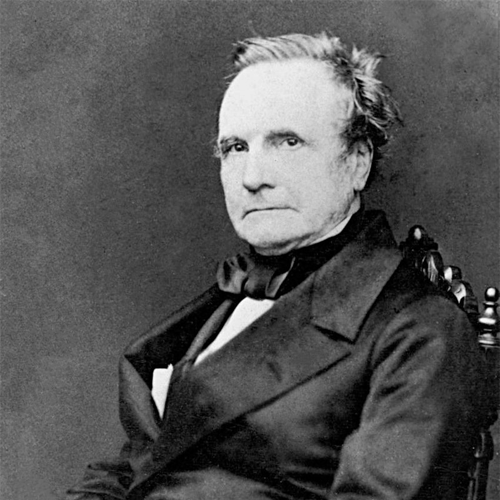
Charles Babbage | 1822
Charles Babbage, often hailed as the 'father of the computer,' was a 19th-century English polymath and inventor. He conceptualized and designed early mechanical computing devices, most notably the Difference Engine and the more advanced Analytical Engine. Babbage's pioneering ideas laid the groundwork for modern computing, featuring concepts like programmability, memory, and basic arithmetic operations.
Ada Lovelace | 1840
Ada Lovelace, the daughter of poet Lord Byron, is renowned for her collaboration with mathematician Charles Babbage on his early mechanical computer, the Analytical Engine, in the mid-19th century. She is celebrated as the world's first computer programmer, as she created an algorithm intended for the Analytical Engine, making her a pioneer in the field of computer programming.

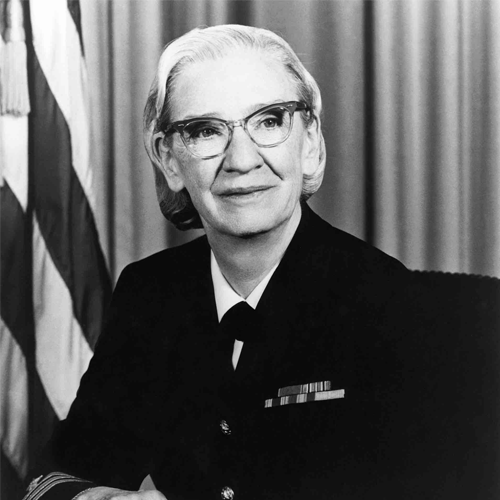
Grace Hopper | 1943
Grace Hopper, a trailblazing computer scientist and U.S. Navy Rear Admiral, made significant contributions to the world of computing. She was instrumental in the development of COBOL (Common Business-Oriented Language), a crucial early high-level programming language designed for business data processing. Hopper also worked on the UNIVAC I, the first commercial computer in the United States, and pioneered the concept of machine-independent programming.
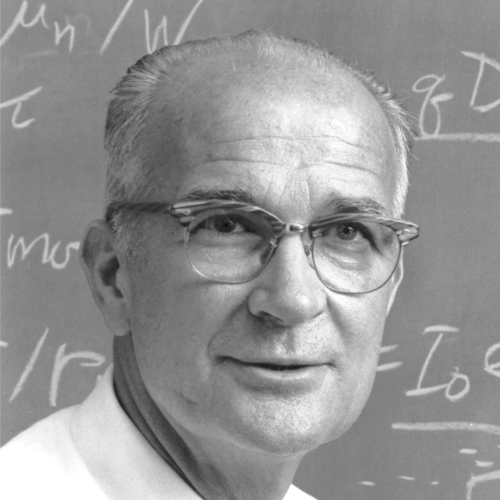
William Shockley | 1947
William Shockley, an American physicist and engineer, played a pivotal role in the invention of the transistor, a groundbreaking electronic device that revolutionized modern electronics. This invention laid the foundation for miniaturization, leading to the development of smaller, more efficient electronic devices and eventually powering the digital revolution we experience today.
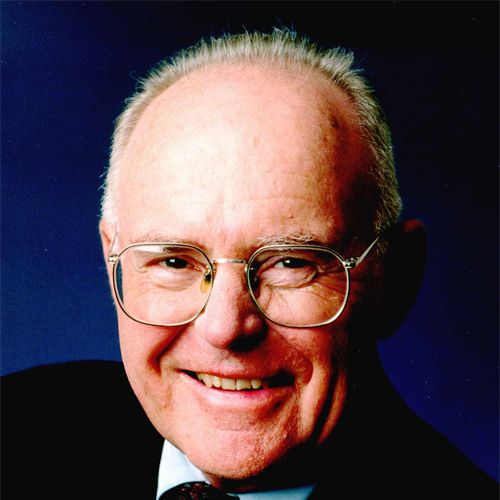
Gordon Moore | 1965
Gordon Moore, a co-founder of Intel Corporation, articulated 'Moore's Law' in a seminal paper published in 1965. The law posited that the number of transistors on a microchip would double approximately every two years, leading to a corresponding doubling of computational power. This observation became a guiding principle for the semiconductor industry and accurately predicted the rapid advancement and miniaturization of computer technology over several decades.
Bill Gates | 1975
Co-founded Microsoft. It is a global technology company that has had a profound impact on the software industry. The company is renowned for developing a wide array of software, most notably the Windows operating system, which has become a dominant force in the world of personal computing. Bill Gates played a pivotal role in shaping the software landscape and driving Microsoft's success through innovative products, strategic business decisions, and a relentless pursuit of technological advancement.

Steve Wozniak and Steve Jobs | 1976
Steve Jobs and Steve Wozniak co-founded Apple Computer, now known as Apple Inc., in 1976. Wozniak, an engineering prodigy, was responsible for the technical brilliance behind Apple's early innovations, including the design and development of the Apple I and Apple II computers. Jobs, with his keen understanding of market demands and exceptional marketing skills, was instrumental in driving the company's vision, branding, and sales strategies. Their collaboration and complementary skills propelled Apple into a global tech giant, setting the stage for pioneering products like the Macintosh, iPod, iPhone, and iPad, shaping the trajectory of modern technology.

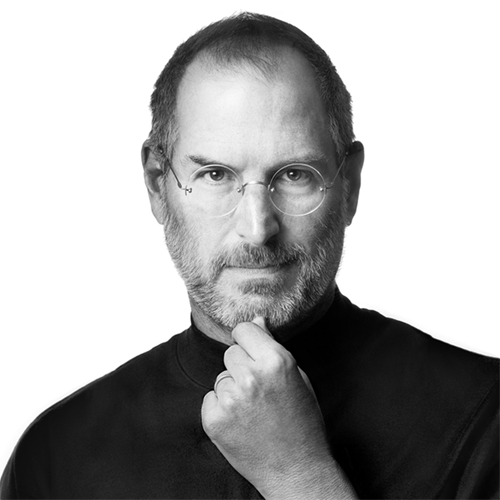
Kevin Mitnick | 1979
Kevin Mitnick, once infamous as a hacker and computer intruder, later transformed his expertise into helping companies enhance their computer security. After serving time for his hacking activities, Mitnick founded Mitnick Security Consulting, providing security consulting services to various organizations. His unique perspective and deep understanding of hacking techniques have been valuable in strengthening cybersecurity measures and educating businesses about potential vulnerabilities in their systems.

Rich Skrenta | 1982
Richard Skrenta, a high school student in Pittsburgh, Pennsylvania, created the first known computer virus named 'Elk Cloner' in 1982. At the age of 15, Skrenta wrote the virus as a prank to annoy his friends and classmates. 'Elk Cloner' targeted Apple II operating systems, spreading via infected floppy disks and displaying a playful poem. While harmless in intent, this virus marked the beginning of computer malware and raised awareness about the potential risks associated with malicious software in the emerging digital age.

Linus Torvalds | 1991
Linus Torvalds, a Finnish computer scientist, is the creator of Linux, a widely used free and open-source operating system. In 1991, Torvalds initiated the development of Linux as a hobby project, and it quickly gained traction among developers and enthusiasts. Today, Linux powers a vast number of servers, supercomputers, and embedded devices worldwide, contributing significantly to the backbone of modern computing infrastructure.

Larry Page and Sergey Brin | 1998
Larry Page and Sergey Brin, both Ph.D. students at Stanford University, co-founded Google in 1998. Initially conceived as a research project, their creation rapidly evolved into a powerful and widely used search engine, offering a more efficient way to access and organize information on the internet. Over time, Google diversified its offerings, expanding into various technological domains such as cloud computing, mobile operating systems, online advertising, and hardware, solidifying its position as one of the world's leading and most influential technology companies.


Mark Zuckerberg | 2004
Mark Zuckerberg is the individual known for founding Facebook, a widely used social media platform. In more recent times, he has been focused on expanding the company under the umbrella of Meta Platforms, Inc. Meta is intended to be a technology conglomerate overseeing various platforms, including Facebook, Instagram, WhatsApp, and exploring the development of the metaverse, a virtual reality space that integrates aspects of social interaction, work, and entertainment.

Chad Hurley, Steve Chen and Jawed Karim | 2005
YouTube was founded by three former PayPal employees: Steve Chen, Chad Hurley, and Jawed Karim. They created the platform in February 2005, with the idea of providing a platform for users to easily upload, share, and view videos. The initial concept was inspired by difficulties in finding online videos, and they sought to create a centralized platform for hosting and watching videos, leading to the creation of YouTube, which has since become one of the most popular and widely used video-sharing platforms on the internet.